Showing posts with label Genre: Anthology. Show all posts

Tuesday, 5 November 2013

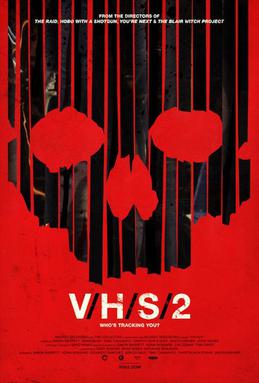
Made From Ingredients From The USA, Canada and Indonesia: V/H/S 2 (2013)

From http://upload.wikimedia.org/wikipedia/en/9/94/V-H-S-2_Poster.jpg

Dirs. Simon Barrett, Jason Eisener, Gareth Evans, Gregg Hale, Eduardo Sánchez, Timo Tjahjanto and Adam Wingard

Like a beautiful coincidence, I cover the original V/H/S (2012) months earlier, and like this sequel's release in Britain, you get V/H/S 2 the same year near Halloween. How many franchises get both the prequel and sequel debuting in the UK in the exact same year to each other? There is a slight caveat to the words "beautiful" though. The original V/H/S wasn't a good anthology film. Set around a mysterious series of VHS tapes found in a house, a Wunderkammer of death or an atrocity exhibition, the first film in hindsight was the creation of directors who clearly wanted to make dramas than horror shorts for the most part, and barring one legitimately good segment, none of them were good at the drama in their work either. They dangerously became films that symbolised some kind of elite club of white, middle class, male twenty something horror fans rather than horror shorts for everyone; if the grindhouse phenomenon has (thankfully) died on its backside, its unfortunately been surpassed by a vocabulary of mostly swearing, quasi-drama with no interest and power dimensions amongst peers that really didn't need to have been fed by accident with V/H/S 1. It was a nostalgia for a format (VHS) without considering the potential mysteries of the object in question, and with no real sense of atmosphere and tone, a bane on the genre's existence that has frankly sabotaged it for decades long before I was even born. 

Harsh words, very harsh words, but while I have suddenly become enamoured with this new era of anthology films, at the moment like giving bloodied candy to a four year old, the first film was the one blot when its sequel and The ABCs of Death (2012), for their flaws, had been enjoyable in their fragments, and for both showing potential new talent and even bringing back interest in directors I was cold to. V/H/S 2 can still be criticised for many things, and is as much as an all men's club frankly, in an era where one would hope for more female horror directors to exist, but it's still a drastic improvement on the original. No longer, thankfully, preoccupied with evil women as the segments in the first did barring that one good one which skewered the notion. While still wadding in violence, some sex and general misanthropy, it's for more inventive and trying to do something generally interesting in all the key segments. And, aside from returning contributors Simon Wingard and Simon Barrett,  you've got clear outsiders with different ideas now to bring to the table. A Canadian Jason Eisener, whose work with Hobo With A Shotgun (2011) and his short Youngbuck for The ABCs of Death is that of someone obsessed with visual style and bouncing off the walls in his anarchic tendencies. Eduardo Sánchez, co-directing with Gregg Hale in one of the two contributions done by a duo, one of the directors of The Blair Witch Project (1999), the beginning, legitimately, of the found footage subgenre that this anthology is part of, the drastic shift from that film to a decade or so later adding a potentially fascinating layer to Sánchez's contribution. And finally, expanding the film beyond North American soil, there is the pairing of Indonesian director Timo Tjahjanto and British director Gareth Evans, the later significantly known for martial arts action cinema, not horror, and bringing a drastically different perspective to the material because of this.


From http://media.tumblr.com/5fd0d1b998deb3c5771e411bb34cac86
/tumblr_inline_mpopgjsUxO1qz4rgp.jpg

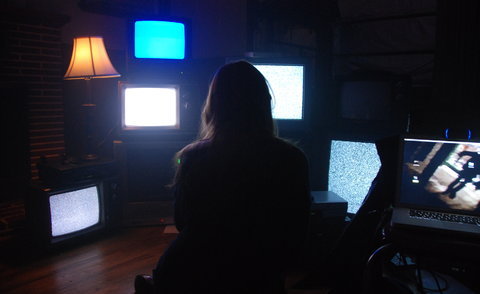
Tape 49 (Dir. Simon Barrett) - V/H/S 2 needs some suspension of disbelief to make it work fully. This is not a criticism at all, as most films need one aspect, or a couple, that need to be accepted as they are. That's the nature of fiction, and of cinema. But it has to be bared in mind, all these occult and supernatural events put on videotapes, with some of the events composed of more than one camera, all existing in the same world as two private detectives search for a young man. They instead find an abandoned house full of these tapes and one of them watch them to figure out what's going on. It's fascinating to imaging whole worlds within one bigger one, subjectively questioned by the film without it realising it, all of which may have more disturbing effects on a viewer than showing mere gristly demises. As the wraparound story that bookmarks the four key segments, its vastly superior to the one in the first film because it actually makes sense. The first one was a clusterfunk of bad pacing and editing, while this actually has a pace. It's the weakest piece alongside Adam Wingard's, the directors alumni of the prequel pointedly, but it at least fits the improved quality of this sequel by being interesting to view. What brief titbits it has about the meaning of these tapes' existence is tantalising this time as well; I hope if V/H/S 3 ever happens it suddenly turns into Videodrome (1983) in the implications made here. Brian O'Blivion would be proud of the idea this nudges towards, but just needs the final push if another sequel is made.

From http://cdn.bloody-disgusting.com/wp-content/uploads/2013/06/V-H-S-2_Naked_Chubby_Banner_6_3_13-726x248.jpg
Phase I Clinical Trials (Dir. Adam Wingard) - A man (the director himself) is given a robotic eye transplant, with recording equipment inside it for the creators to monitor its functions, only to find that he can see things with malevolent tendencies he didn't see before. The reason this is the weakest of the key segments is because its difficult to write a lot about it. It's a supernatural story reminiscent of The Eye (2002) but with a very short length, cutting it down to a basic structure, and a gimmick of being recorded from an eye in a quasi-Enter The Void (2009) first person. But it's still a higher quality work than almost all the shorts from the first film. It raises the interesting question of how someone got hold of the footage in the first place, an enticing what-if rather than a logical flaw. It's fascinating for a film in this anthology to be seen through a person's eye. It also starts the greatest virtue of V/H/S 2 - that it takes advantage of two key aspects of the found footage genre and uses both well. That they're filmed on various video recording devices, and that, when done properly, it's very kinetic and all about movement. None of the segments are mindless shaky camera, with even the chaotic moments where the image is incomprehensible being appropriate for the moment. It's far from perfect, and you will raise your eyebrows at the sex scene that suddenly happens, verging close to the same questionable, laddish mentality of the first V/H/S film your dread even if you would find it titillating in a perverse way, any potential eroticism undercut by the fact that, frankly, it's an excuse for nudity without just admitting its an erotic moment and objectifying the actress for no justifiable excuse in the context. But it's a good start to lead to better shorts, ending well in a panicked state, with an interesting idea, leading on to segments which are superior with running with these ideas that can top it easily.

From https://encrypted-tbn1.gstatic.com/images?q=tbn:ANd9GcR62Pn0_XJpuoIqtC0nQZAvEhsn-qdqcCzzjYfAiu2afqHO3zwz

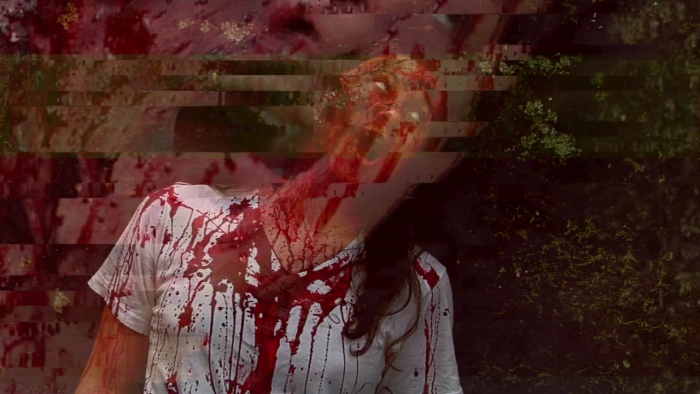
A Ride In The Park (Dirs. Eduardo Sánchez and Gregg Hale) - A male mountain biking aficionado straps a head-mounted camera on and goes to record a morning bike trek in the local woodland park. Unfortunately he rides into a zombie outbreak. What happens is a really clever take on such a tired subgenre, the zombie film, as he is bitten and becomes a member of the undead, shown through improv zombie-cam. It's great to see one of the founders of the found footage subgenre, and a producer of said original film, bringing something very interesting here in such a simple thought, one that someone would come up with while drinking one night and be amused by it.  In fact it may actually be superior to the more acclaimed segment Safe Haven for the amount of emotions that the premise suddenly holds when its presented as well as it is here. How curiously charming it is to see the world from the shuffling dead, almost like flesh eating newborns who, in a nice touch, will chew on anything before they figure out what they're supposed to sustain themselves on. How a victim, as they're being eaten, will suddenly become undead and the attackers suddenly stop and welcome them in the horde, wandering off together. How hilarious the film gets in a sick way even when the zombies get to a birthday party, the use of various camera, while a leap in logic too, helping the film significantly in tension. And also how deeply sad by the climax the story becomes and how it plays out. All these emotions co-exist in the same minute within the film too, forcing you to feel them all together for maximum effect. It's short, its succinct, but brilliant for it.

From http://diaboliquemagazine.com/wp-content/uploads/2013/07/VHS21.jpg

Safe Haven (Dirs. Timo Tjahjanto and Gareth Evans)- The biggie. The short everyone talks about in this anthology. The centrepiece in its longer length and bombast. Set in Indonesia, a group of filmmakers manage to get inside the home of a controversial cult to interview their leader, dubbed only as Father, and let him speak on his own terms about their beliefs without opposition. In the middle of the interview, a bell rings and Hell on Earth tales place. It's the most maniac, insane, and downright violent of all the segments, but it's also incredibly complicated in structure. It has numerous camera the footage is recorded from, all that needs to be co-ordinated so the viewer gets what it going on, and doesn't get to know everything at the same time, before and during the chaos; and for all the madness that takes place, it's also as much a story about the filmmakers too, while simplistic, where there's conflict and a strained relationship in their camp which turns the final act into more darker implications. I have seen only one film from each director who made this, and while I am very open to them now, those two works weren't good. Evans is famous for The Raid (2011), but for its visceral fight scenes and their craft, its completely bland in the ideas it actually has. Tjahjanto I know of only from his few minutes long contribution to The ABCs of Death, L Is For Libido, a potentially interesting piece, very well made, that becomes pointlessly shocking for the sake of shock value, almost becoming silly when it tries to cram as many taboos as it can into its short length. There is a possibility, on another viewing, that this ridiculousness was actually a really clever, unexpected moment of self consciousness from Tjahjanto as a horror director who realises the perversity of upping the disgusting sakes for viewers mentally masturbating over it, but it'll have to wait until rewatching that piece to see if I change my mind on it. As a duo thought, I want to wager they cancelled out the other's flaws. Evans pulling Tjahjanto back from pointless gruel, but Tjahjanto getting Evans to try to create something very interesting. It's been seen before in terms of the ideas of the short, and may be pointlessly twisted at times, but Safe Haven is a gem because it's clear in its goal, and baring some disappointingly obvious CGI, works. It could be off-putting in content or how it uses very well used clichés in horror cinema, but it never feels pointlessly sick or insipid, and ends on such a high note that, honestly, this should have been the final segment of the four that leads to the wraparound story's own conclusion. And while I am open to these directors now, I think the two should work together more, likely to boost Indonesian genre cinema up again as a pair combining styles.

From http://zanyzacreviews.files.wordpress.com/2013/10/rtyrtrty.jpg
Slumber Party Alien Abduction (Dir. Jason Eisener) - It's unfortunate that Eisener had to follow Safe Haven. His short - the name on the tin says it all, but with a large part of it recorded on a camera attached on a dog's back - should have been between the zombies and Indonesian cults. Its flawed, the second weakest of the key segments, but I admit I have hope for the director. As someone who likes putting works as one single, giant creation of its creator(s), I wish Eisener gets better and better. Hobo With A Shotgun has an ending the annoyingly peters out, but the energy of the first three quarters was so infectious and legitimately daring than tedious in tone like so many neo-grindhouse films. His segment for The ABCs of Death was structured like a politically incorrect music video, which he pulled off perfectly. If there's another flaw with V/H/S 2, all the segments are structured around chaos suddenly taking place. For the most part it failed, but at least the first film has a varied choice of plot structures. But this short's still fun. Still scary when it gets hectic, with strange aliens that clearly hung around a Edvard Munch painting or two, and the premise of making most of the film shot from a dog's perspective, aside from some hijinks early on from the young cast, again takes the kind of premise joked about in a night's trip to the pub but makes it interesting. From the "eyes" of a small dog, looking up at the world, or crawling in the undergrowth outside, you are truly lost in what is going on, which makes it very interesting as a concept short. The result is still impressive even if it's in the wrong place in ordering the segments together.

From http://media.naplesnews.com/media/img/videothumbs/2013/06/04
/158794_med_1_thumbnail_t320_240.jpg

Altogether, there are flaws, but this still raising the bar higher than per usual horror films of now. With this and The ABCs of Death, as I've already stated, there is a potentially wonderful phenomenon approaching of genre anthologies like this becoming a subgenre of interest. I still have some reservations admittedly, when directors coasts, or that they spend their time making entries for these anthologies than actually making feature films. But in the subgenre's favour, you cannot rest back on the worst aspects of genre filmmaking - padded plots, workmanlike aesthetics, tired clichéd structures - in such a restricted short length and small budget unless you want to be the one the viewers dub the bad entry in said anthology. It can potentially cut the chaff from these directors so they can improve, and as this film and the upcoming ABCs of Death 2 show, the combination of so many unconventional choices of directors from various generations, nationalities, even not known for making horror films, could make for some interesting combinations. What needs to be done with the subgenre if they're now in vogue, funded by theatre chains, DVD labels, or in this case Bloody Disgusting, creating an interesting ouroboros in horror films and their audiences, is to prevent it from what unfortunately happened with the first V/H/S, a small club whose language is befitting a small clique that bars outsiders and the new perspectives from it. Here at least there were four different nationalities in the director chairs, and even the plot structures are similar, you have people of various areas, including one from outside of horror, nonetheless making a film with a very consistent tone. Leaner with less segments, clearer but replacing the vagueness with material that adds layers to the segments, and a kinetic grace to all the segments in using the cameras mixed with experimentation. It's a shame it has to replicate the obnoxious end credits style of the first film - abrasive music, and a barrage of sex and gore scenes more closer to a thirteen year old boy or two writing the project. The film that preceded it, while still schlocky, was far more interesting than this.

From http://media.sfx.co.uk/files/2013/10/VHS-2-bloody-chair.jpg

Thursday, 30 May 2013

Realities-Within-Realities: V/H/S (2012)

From https://blogger.googleusercontent.com/img/b/R29vZ2xl/AVvXsEg-PRwve0p-aBmESe_NcT6dwdAgTG-AifSjRP8av8VK_OTk69zGNGWSFnnN0wJmG1-y2FS77ANlixLoPnAOdTCit6CG3y_q83o5vUfthhiIpXw0jCBGi5llU1yKm9kR5iQR04wQ75bL_Xa0/s1600/vhsmovie.jpg

Dirs. Various [Each One Stated For Each Segment of Film]
USA

Tape 56 (Dir. Adam Wingard) [Beginning Act]
V/H/S offers a fascinating concept with its synopsis. The found footage sub-genre inherently plays with subjective reality, so splicing it with the anthology sub-genre, found material intercut into a piece of found material bookending it all, creates reality bubbles that maybe even the producers of the film didn’t realise would be caused. A group of young men break into an old man’s house to steal a videotape worth a lot of money to the person who’s sent them there, only to find a dead body slumped in an armchair and numerous tapes that they start sorting through. On each tape is a story of folly and the worst that could happen while everything is not what it seems in the house they’ve broken into more than it was already. In the first scene, these characters are vile, obnoxious examples of corrupted masculinity taken to a further level by the opening scene, but films allow us to be placed into the world of people who are appalling and force us to follow them. A found footage film allows this to happen more easily. Once in the house, one of them sits down and puts a tape in while everyone else, split into groups followed by two cameras, investigate for the tape, leading us to the segments one at a time with the activity in the house intercutting it.

There was hesitance going into V/H/S after a few opinions I had heard, but I was optimistic. I have to put a SPOILER warning here for the rest of the review, but for each segment it will vary so please read the tag before each part. It’s a messy procedure, but it’s fitting for the anthology film at hand and hopefully you will get some of the review left to read even if you haven’t seen V/H/S.

Amateur Night (Dir. David Brucker) [Slight Spoiler]
Regardless of any other thoughts, I will be grateful for this segment as there is a lot to defend in it against the others. It falls into the same area of many of the others of men crossing with women of a dubious nature, an issue which some have had with V/H/S, but here the story complicates it in an interesting way I hoped continued in the other segments. The men are also obnoxious jocks, another reoccurring aspect in these segments, but there is nothing wrong with either one or two of the pieces following these types of characters, especially when they are fleshed out in such an short length of time. They are hateable people, planning to secretly film a porno and cruising for women, but not only should the viewer be forced to ask whether they are just as bad as them mentally by following through their leering eyes, but what happens to them (violently) makes you realise they are human beings regardless. And the dangerous woman is as complex as well and sympathetic even after what happens. It is all because of the actress Hannah Fierman, whose performance is the one in V/H/S that is legitimately good and whose physical appearance, having the biggest eyes I have ever seen for an actor or actress onscreen, instantly captivated me to her, especially when the twist is followed by an unexpected emotional note after the brutality that takes place. I really, really hope someone has the right idea and casts her in more films.

Amateur Night also snuffs out one of the biggest leaps of logic that this sub-genre has to deal with – “Why would you keep filming?!” – by having the story viewed through camera glasses. Ludicrous yes, but as leaps of logic go I could work with it, especially as the effect adds an exceptional level of tension and panic when the worst takes place. The segment promised so much for the whole of V/H/S.

Second Honeymoon (Dir. Ti West) [Slight Spoiler]
Unfortunately with Ti West’s segment the rest of V/H/S starts to slowly die onscreen. Beyond its premise it was supposed to show the best of American filmmaking in genre cinema, but barring David Bruckner with Amateur Night, only a few bright spots are provided by the others. Second Honeymoon could have worked, a male and female couple taking a vacation in Americana only to get the attention of a mysterious woman, but it quickly falls into tedious drama scripting. Its horror story is uninteresting – avoiding the jock characters for a male and female character of some sympathy, but with another ominous female outsider – and has a really dumb twist even if clues are laid down beforehand. The jury in my head is out on Ti West. Cabin Fever 2: Spring Fever (2009) is average, and he botched the perfect first three quarters of The House of the Devil (2009) with an abruptness that can justifiable compared to premature ejaculation despite how tasteless that metaphor is. For a great new horror director, he has not presented something that is standout. Far from dismissing the anthology completely from this point on, Second Honeymoon should have been the one misfire before the others brought the film back up in quality.

Tuesday The 17th (Dir. Glenn McQuaid) [Spoiler]
In this segment’s sole defence, the idea of what its evil force appears to be is ingenious. Using the found footage medium to its advantage, the tropes it is playing with, just by guessing what the title is a reference to, are pushed to where even the recorded reality is easy to manipulate and distort by a prescience more powerful that even the outside force that records the events that befall a group of young adults who go to the woodlands to smoke pot and fornicate. It becomes clear however, again with this segment, that most of the directors are not pushing themselves to a high level of quality. It follows the stereotypical college student group you find in slasher films, from the same mould as the jocks of three of the other segments even if they are unisex, whose dialogue as with most of the vignettes consist of saying “fuck” in surprise at what is happening to them and their desire to drink and have sex as if there is nothing else in their existence. V/H/S could have been a message of the folly of this attitude to life, especially with the segments about all male groups, but it fails here as in most of them because none of the characters are interesting. They’re generic and it’s another dangerous woman character that appears in this segment even if the actual evil is something much more unhuman. Like most cinema, it commits the sin of wasting such potentially good ideas with a bad script around them.

The Sick Thing That Happened To Emily When She Was Younger (Dir. Joe Swanberg) [No Spoiler]
The issue of a Skype conversation recorded on VHS tape is pointless to worry about as the idea, like many others in the anthology, had potential. Complicated by the two people being far away physically yet able to see each other, the dangers that threaten one and the helplessness of the other would create a frightening proposition. A young woman named Emily is troubled by both a strange pain in her arm and the possibility that her rented apartment is haunted, a series of Skype calls between her and her boyfriend unfolding as she becomes more isolated. Unlike the other segments except Amateur Night, even if it continues the nudity of the others, it has a female character who is sympathetic inherently and has a heartbreaking (and stomach churning) resolution behind it all. It also has the other memorable aspect of the anthology outside of Amateur Night with a jump scare involving a door that is surprising in how calm and matter-of-fact it is depicted, as if it’s accidentally crossing a whimsical moment with the utterly freakish. Sadly the writing is completely undercooked and with its twist ending has garbled plotting. This is surprising since the director of this is Joe Swanberg, who, having not seen any of his other work, is supposed to one of the best hidden secrets of current American cinema with his contributions to indie and mumblecore cinema. I hope that this is just a blip before I get to films like Hannah Takes The Stairs (2007), as this is not good enough to justify being more than average or poor.

Tape 56 [Resolution] (Dir. Adam Wingard) [No Spoiler]
The entirety of V/H/S as a project is botched by its end because of the fact mentioned that little of it is good enough in terms of writing or appearance for a group of directors said to be the new Kings of Western horror cinema. The bookmarking film Tape 56 leads to nothing, a scare ending that is completely pointless. It doesn’t weave together the potency of the vast collection of taped recordings of horrors in a way that reminds one of an atrocity exhibition for voyeurs and retro geeks, neither making videotape scary again long after the original Ringu (1998) did so or given you a well set-up punch line. In fact, this is not even the end of the anthology...

10/31/98 (Dirs. Radio Silence) [Massive Spoiler]
Again another good premise like the others – on Halloween you would probably view a supernatural occurrence as smoke machines and wires – but it doesn’t succeed. It even tries to make its own group of rowdy men vaguely likable, and finds a way of dealing with the logic with the camera by having it part of a character’s bear suit, Nicolas Cage crossed with Andrea Scarface from Pedro Almodomar’s Kika (1993), but it shows again the ultimate failure of V/H/S, like a lot of current genre cinema, of offering the incredibly redundant from good ideas as if they are works of genius. Radio Silence’s entry becomes as average haunted house film with obvious CGI heavy effects and another ending where it’s a woman you should run the opposite way from if you’re male. This reoccurring trend in the segments, aside from Amateur Night where it’s played with thoughtfully, is not inherently misogynistic but something more sadder; a dwindled pool of ideas shared by the creators that unfortunately leads to most of them going with a twist about women backstabbing the male characters in the back by complete accident.  With a flat anticlimax to the whole film, it leaves on a terrible note.

Conclusion [No Spoiler]

Said film is a completely failed project for consistency and as a single entity. The white elephant that makes V/H/S even more pointless, that Harmony Korine’s Trash Humpers (2009) exists at all, does not help things either for a film named after the home format and all the elicit fears and enticements a medium like it, despite being a pain in the arse to rewind and liable to be destroyed by magnets, could generate. It should evoke an unmarked tape found hidden somewhere secret that could show you some truly horrifying and liable to change reality itself. V/H/S’s greatest failure is that it never evokes this sense of dread of a scratchy recorded home movie and how even the tracking failing, that one of the shorts does try to use for tension building admittedly, could bring the hairs up on your neck. 

From http://anythinghorror.files.wordpress.com/2013/01/vhs-2.jpg

Monday, 29 October 2012

Dreamt By Hand [Dreams That Money Can Buy (1948)]

From www.dvdbeaver.com/film/DVDReviews23/
a%20dreams%20that%20money%20can%20buy/title%20DREAMS_THAT_MONEY_CAN_BUY.jpg

Dirs. Hans Richter (with Max Ernst, Fernand Leger, Man Ray, Marchel Duchamp and Alexander Calder)
USA
Film 28th, for Sunday 28th October, for Halloween 31 For 31

My introduction to early 20th century art movements probably started with the erotic. I will openly admit, as a young lad, that I would look for images of the opposite sex naked to the point of looking through art books in the secondary school library. What happened instead was my first encounter with the Surrealist movement, which punctured dreams and used them for the basis of their art; the erotic was significant in the paintings and images I saw, but just as important were the profound images, the scathing and subversive ones, the beautiful dreams and the depictions of nightmares throughout them, going beyond a misguided lad’s mere curiosity to someone who discovered art and how powerful it could be. Melting clocks, stilt-legged elephants, faces propped on sticks in the groundless space in sleep, many images in these compositions, from The Persistence of Memory to The Eye of Silence, will remain with me for the rest of my life. Then I went on to learn about other movements from this period or before including the Dada movement. From there, my appreciation for the arts has grown more and more, bleeding into my love of cinema as I delved into experimental films. The members of these art movements themselves experimented with cinema too. Un Chien Andalou (1929) is the most famous, becoming one of the most well known experimental films in existence as, a melding of the disturbing with the unreal, it disrupts conventions of cinema even now eighty or more years after its release. The following film I’m reviewing is a fascinating attempt back in 1948 that could have brought the avant garde to the mainstream if it had done well in another reality.

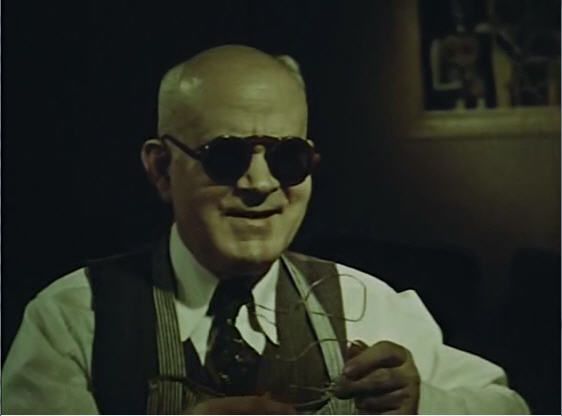
Almost an anthology film, the establishing plot that starts Dreams That Money Can Buy is of a man (Jack Bittner) who is able to give people dreams and decides to sell his services to pick his life back up. Intercut between this are segments by artists Hans Richter, a famous artist and experimental director himself, was connected to that vary in tone, theme and type of materials used within them. It is better to go immediately into the segments themselves then dabble...

From http://i1062.photobucket.com/albums/t487/Hawkmenblues2/88312a4e.jpg

Opening and Inbetween Segments (Directed by Hans Richter):  Intermediately linked between multiple genres, the whole film is nonetheless appropriate for a month which emphasises the supernatural and the unreal. While it can be argued to be a slight parody of cinema, Dreams... is far interesting as a reflection on dreams as an abstraction and liberation of our emotions. All of this is done in a cod-Film Noir template and the whole film was designed to appeal to the whole public, making the results even more unconventional. The dubbing of dialogue and internal thoughts over the scenes of the actors gives the film a dream-like logic before it actually gets to the dreams.

From http://www.johncoulthart.com/feuilleton/wp-content/uploads/2012/01/dreams1.jpg

Desire (Directed by Max Ernst): Using as many practical effects as possible without over filling the scenes with them, Dreams... is very much a work placed within the fantastical even if it is too close to avant garde cinema to be fantasy. Ernst’s segment is a stereotypical example of this that is still very effective, a baroque and sexual dream in which a woman recounts an encounter with nightingales within a lavish bedroom and home, the dead pulling themselves out from under the bed and twisting into themselves. If one takes into consideration the era it was made in, this segment is still effective, mixing with the macabre and the lavish effectively in the limited, fog covered rooms presided by Enrst himself in a small role. It also establishes that, while some of the segments have clear messages, some of them are designed to convey meanings just through the mood and presented images themselves that cause one to feel they are watching an actual dream. The monologue of the woman that makes up the segment is highly stylised and unconventional, breaking down what words and phrases should mean if you listen closely, continuing a concept prized by the Surrealists of stream-of-consciousness, presented through the distorted speech and sentences she utters that are layered over the images post-synch. It is one of two segments that could be put into the supernatural category and works for what it is.

From http://www.virtual-circuit.org/blog/files/1hgfk4h4.jpg

The Girl With The Prefabricated Heart (Created by Fernand Leger): Not all the segments involve actors however. Sculpture and object craft was an established part of these moments, going as far as Marcel Duchamp (one of the other collaborators for Dreams...) developing found object art where ordinary materials were art by themselves, notoriously shown when Duchamp took a urinal, signed it, and placed it in an art gallery. Leger’s segment is a perversely whimsical, but sweet musical following the emotions of a female mannequin, made of man-made material but facing the troubles of a suitor she does not love and who will take away her independence. With a song that sounds like it is from a Disney film, it is quite magical and shows a very take on animation as Leger turns almost human mannequins into moving beings through stop-motion and basic mechanics. It is ingenuity at its best, the sugary sweet tone never mawkish and turning cold material into warm characters, something only dreams (and a good artist) can create for an audience.

From http://i1062.photobucket.com/albums/t487/Hawkmenblues2/cd532dd5.jpg

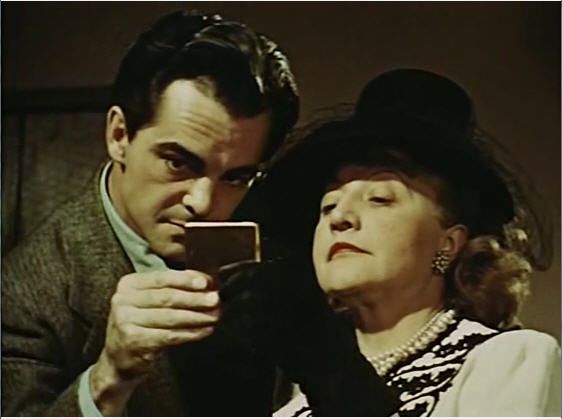
Ruth, Roses and Revolvers (Directed by Man Ray): The paradox of such radical arts being made for a mainstream audience is one that reflects the situation of these 20th century art movements were going through at this period. They were supposed to be radical and against conformity, but one of the most well known artists Salvador Dalí became part of mainstream culture and talk shows later in his life. It does however make the film more peculiar in its slightly rough melding of the two sides, the anthologue-esque structure liable to being erratic in tone as actual anthologies can suffer from. Man Ray’s segment can almost be a reflection of this danger with their art as well as any type of cinema, a film-within-a-film watched by the segment’s characters where the audience have to copy the actions of the pale faced man onscreen. It does incorporate other aspects within it, but emphasis on art and its pliability is the clearest aspect. That this interactivity/manipulation of the audience is predominant in children’s programming adds a twisted page to Man Ray’s idea.

From http://i1062.photobucket.com/albums/t487/Hawkmenblues2/ca0c0ddb.jpg

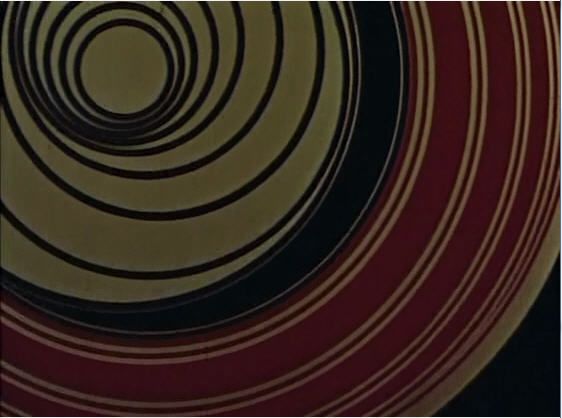
Discs (By Marcel Duchamp) – Images of rotating circles, and of a nude woman going down stairs fragmented and covered (and uncovered) with dots, one of the most abstract of the shorts and closer to some of the original experiments in cinema from decades earlier involving shapes and the manipulation of them. It is hypnotic, its plying of fragmented images and almost three dimensional shapes effective at its short length, breaking down how one perceives images through the eyes and their form. This is not necessarily a pretentious concept as well; as infants and toddlers we are fascinated by shapes, and how they move and how they are put together, and on a basic level something like Discs takes this to the perspective of an adult who goes back to this fascination but uses it to break down the blasé passing of ordinary life where everything around you is rudimentary and taken for granted. Unlike some experimental films, I can see these sorts of films like Discs being far more effective and understandable for anyone because the crossing of animation and visual collage can be understood on a surface level by anyone and doesn’t need a potentially vague message or meaning behind it. Even if someone was to attempt a naval gazing interpretation of such images, the images as images explain themselves fully by their own accord.

From http://i1062.photobucket.com/albums/t487/Hawkmenblues2/d284f7d0.jpg

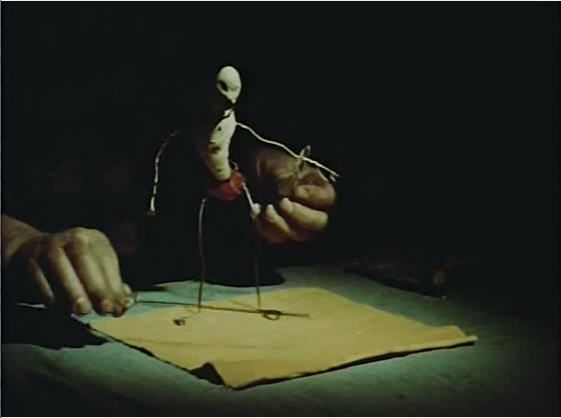
Ballet and Circus (Both created by Alexander Calder):  Highlights of the whole project, Calder follows the idea of creating everything that is onscreen with creations made from wire and simple mechanics. The first of his segments Ballet is devoted to mobiles, the images of them turning and spinning in the air at their own whim as much of the effect as the creations themselves. It isn’t wrong to suggest how we are fascinated by wind chimes, moving in their own accord depending on which way the wind blows, is visible in this and its main concept. Circus is just a joy, a literal circus where the viewer as the patron sees a show by wire and mechanical creations. The similarities to toys and dioramas with moving parts are clear, but there s a sense of childlike joy I got seeing these creations move. Calder even shows hands (his own?) moving some of his creations, regardless of the rule of showing animation as its own world when it is the creation of objects and figures moved by its creators in various ways that the art form is about. It also has a black sense of humour, as the injury and death rate for employees (and wire circus lions) is exceptionally high.

From http://s3.amazonaws.com/auteurs_production/images/film/dreams-that-money-can-buy/w448/dreams-that-money-can-buy.jpg?1289451290

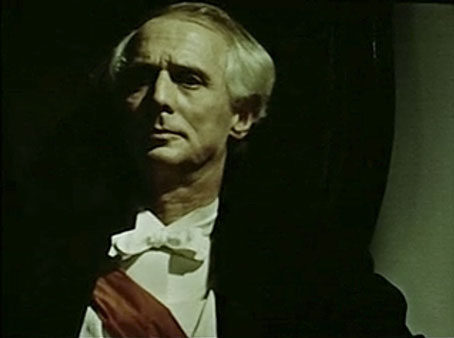
Narcissus (Directed by Hans Richter): The bookend of the frame story and the final segments that ends the film completely. The most nightmarish part of the film, it follows a character based on the protagonist, his true self, ostracised from society when he suddenly turns blue. The piece is about the struggle of conformity against independence reproduced as the most surreal and sinister of the pieces, the blue ‘Narcissus’ blocked by random men who believe in blocking others for the sake of it and various routes – a cord to a goal, ladders which lose their rungs – in front of him as a maze. He loses his friends and ordinary life but, as the self analysing monologue admits as it goes through the segment, his attempts to be normal again are prevented by how he has changed as a person. The look and tone of the piece would be replicated in later films, especially from the 1960s onwards, but using the worn yet blooming colours the film is painted in, the segment is the perfect way to end the film. Every sequence is referenced in part to a personality who is being given this dream and their personal issues, Narcissus giving a narrative end for the protagonist but also poking at the whole concept of the film, the desire to have dreams that make us whole when in fact they are fragmentary and are ends with countless lose threads and remaining materials left. From the erotic randomness of Desire, the first short, to the use of everyday materials to create new realities in others, Dreams That Money Can Buy ends up being a dissection of the idea of dreaming and its base compounds even if the premise is childishly simple and the project was designed to introduce people to new artistic concepts. The contradictions of the film’s purpose against Narcissus - where the protagonist is offered to enjoy his life and society, the post-World War era the film was made in amplifying this, but ignores it for his free thought even if it will doom him - is as much as part of the dream logic of the whole film. By dissecting, by accident or purpose, this idea it fits a month, and autumn season, where picking apart reality is intrinsic even in wearing costumes and going trick or treating, but also fits the concept I uphold greatly as a person of questioning reality, even in the smallest of ways, when it is more unreal than we pronounce it to be.

Dreams That Money Can Buy though is one of the few in this season though that is directly tied to an art movement or two. Dreams... was viewed as a complete failure when it was first released, and while many now still see it as a flawed film, I will actually defend it as far more better than merely a flawed gem. It’s major mistakes, the Film Noir trappings and satire, actually make it a far more interesting film if viewed in a new light, a trinket like those in the film – a scrapbook of cut-out pictures, a picture, a blue tiddlywink, an object so innocuous even its name sounds like fairytale language, that opens into the darkest segment Narcissus – that leads one on into a dream. As an introduction to these artists as it was intended to be, it is a success if you give it your time, and is a good beginning to anyone wanting to dabble in the avant-garde but are afraid of the vast catalogue of films in existence.


From 3.bp.blogspot.com/-9IwCA_toXaI/
TgNf4sq90cI/AAAAAAAAAv4/62EmfDt7RK0/s640/Dreams+that+money+can+buy+girl.jpg